Ask our team. We’re here to help.


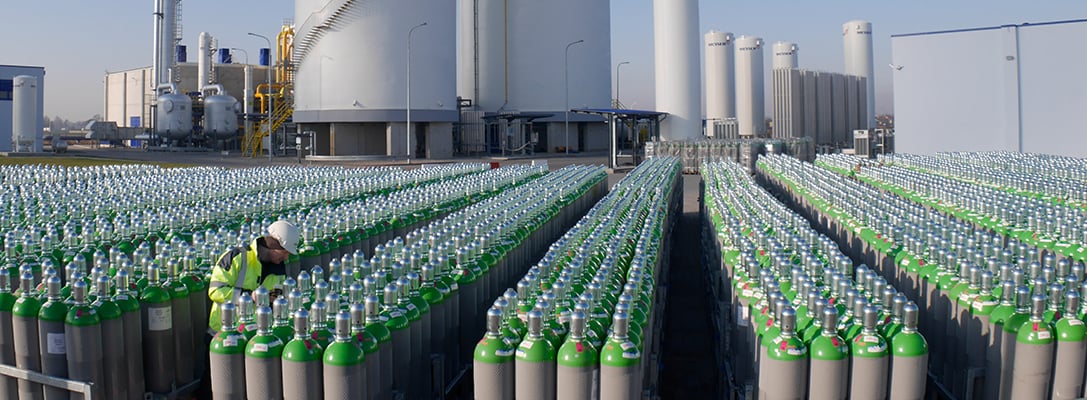

For many facilities, the shift from one supply mode occurs as a natural extension of a growing operation. What starts as a manageable cylinder program can become harder to support as usage becomes more consistent, more frequent, or more critical to production.
The right supply mode is a function of actual gas consumption over the course of a normal week or month. Some operations can comfortably manage supply with routine cylinder replacement through Messer’s distribution network. Others reach a point where usage becomes steady enough that changeouts, handling, and delivery frequency start to create unnecessary disruption.
Messer does not have a core cylinder business and commonly introduces our distributors to our bulk accounts. For customers whose gas use is growing, that relationship can also create a clearer path to bulk supply. When cylinder changeouts become more frequent, demand becomes more consistent, or handling starts to create inefficiency, we will work with you to evaluate your requirements and identify a supply approach that supports both current demand and long-term efficiency.
In short: Cylinder capacities vary widely by gas type and pressure, while liquid dewars and microbulk tanks offer increasing storage volume and reduced handling. Messer’s team can help you select the right size based on actual consumption patterns. Common applications include laboratories using liquid nitrogen dewars, food and beverage carbonation with CO2 cylinders, and manufacturing operations transitioning to microbulk tanks for consistent nitrogen or oxygen supply.
| Supply Mode | Typical Volume Range | Storage State | Footprint | Delivery Frequency |
|---|---|---|---|---|
| Cylinders | Low volume; varies by gas type and pressure | Compressed gas | Small, portable | Frequent changeouts as usage increases |
| Liquid Dewars | Moderate volume | Cryogenic liquid | Portable, larger than cylinders | Periodic exchange or refill |
| Microbulk Systems | Mid-volume, steady demand | Cryogenic liquid | Fixed Installation; smaller than bulk tanks | Scheduled, automated deliveries |
| * Exact capacities and configurations depend on gas type, application requirements, and site conditions. | ||||

If you are experiencing:
These are signs that it may be time to consider a new mode of supply. Messer works with customers to evaluate factors such as:
Our team uses this detailed review as a basis to help you identify when a cylinder program still makes sense, when portable liquid supply may be a better fit, or when microbulk offers a more practical next step.

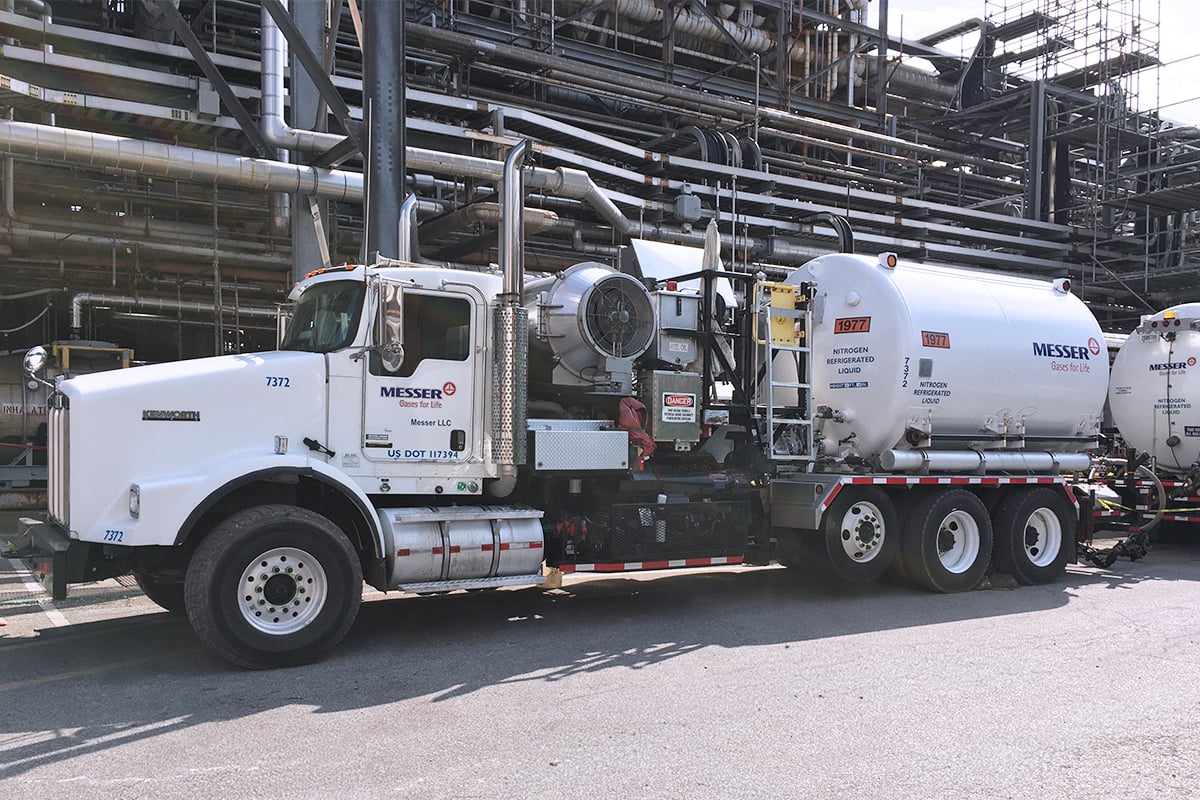
Microbulk gas supply is a smaller-footprint, on-site cryogenic storage system designed for customers whose gas use has grown beyond routine cylinder replacement but does not yet require a full bulk tank installation. It helps provide a more consistent supply while reducing manual handling and frequent changeouts.
It may be time to consider microbulk when cylinder changeouts become frequent, gas demand is more consistent, or handling and delivery interruptions start creating inefficiencies in your operation. Microbulk is often a practical next step for facilities that have outgrown a typical cylinder program.
Yes. Liquid dewars are portable containers designed to supply cryogenic liquid gas in applications that need more capacity than standard cylinders can provide, while still offering flexibility without a fixed installation.
Microbulk systems are commonly used for gases such as nitrogen, oxygen, argon, and carbon dioxide, depending on the application, site requirements, and supply setup. Exact availability should be confirmed based on your location and operational needs.

Ask our team. We’re here to help.
