
Evaluating Carbon Dioxide as an Alternative to Mineral Acids

Managing alkaline wastewater is a critical responsibility for semiconductor manufacturing facilities. Environmental compliance, worker safety, water reuse initiatives, and treatment system performance all depend on effective pH control.

Traditionally, many facilities have relied on mineral acids such as sulfuric acid or hydrochloric acid for neutralization. However, carbon dioxide (CO₂) has emerged as an alternative approach that may help reduce chemical handling risks while supporting stable wastewater treatment operations.

CO₂-based neutralization can work and there are many factors facilities should consider when evaluating pH control solutions.

Common Wastewater pH Control Challenges

Environmental and facilities teams often face competing priorities when managing wastewater treatment systems in semiconductor fabs, including:

  • Maintaining discharge permit compliance
  • Preventing pH excursions
  • Reducing operator exposure to hazardous chemicals
  • Minimizing equipment corrosion
  • Supporting water reuse initiatives
  • Expanding treatment capability without large infrastructure investments
  • Achieving sustainability objectives

Selecting the appropriate neutralization method can play an important role in addressing these challenges.

NEUTRA CO2 for pH control quality engineer with laptop AdobeStock_2148870153-1

How Carbon Dioxide Neutralization Works

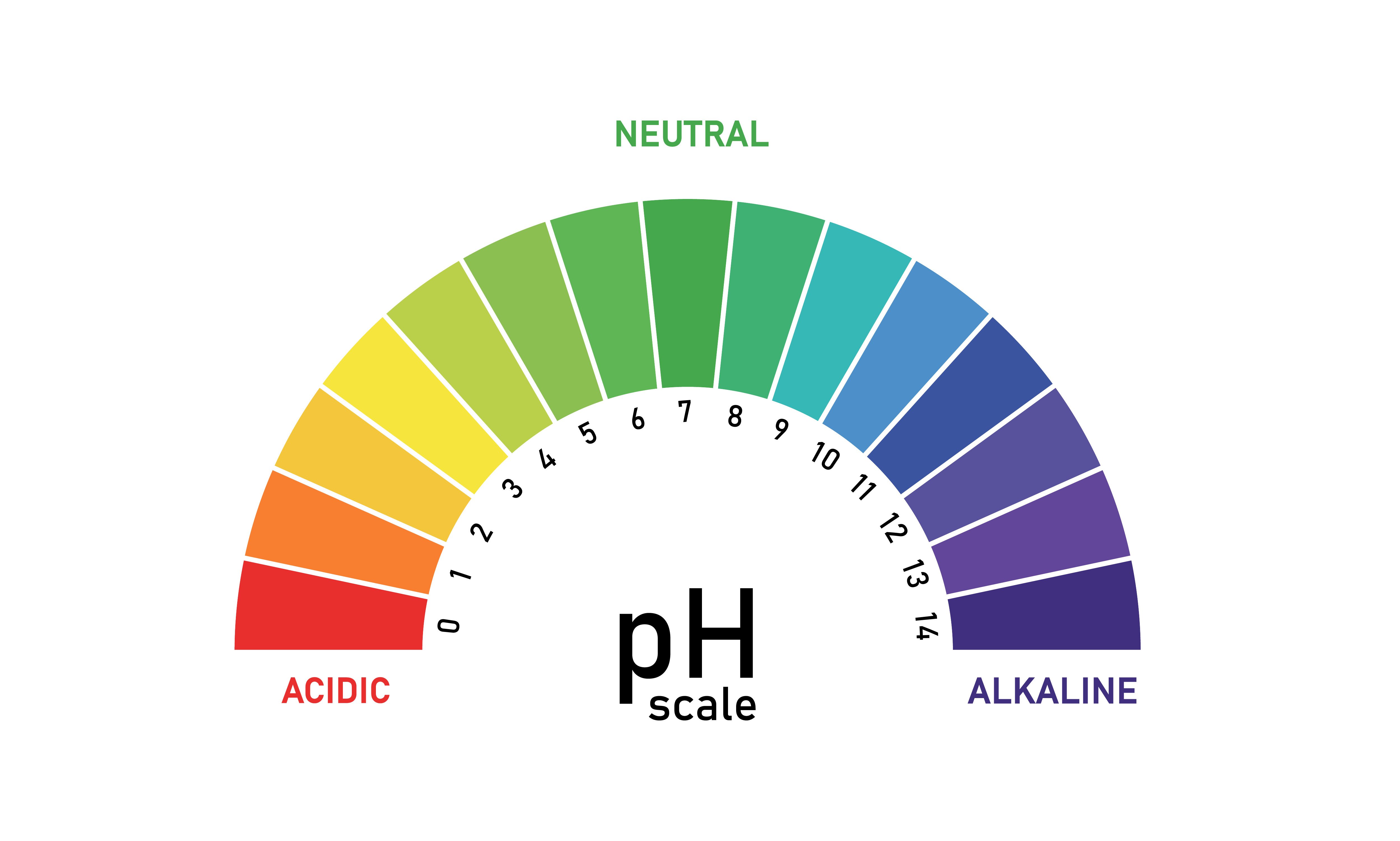
When carbon dioxide dissolves in water, it forms carbonic acid, which lowers pH in alkaline wastewater streams.

Unlike strong mineral acids, carbon dioxide creates a flatter neutralization curve that naturally buffers the treatment process and can reduce the risk of over-acidification.
Key Characteristics

  • Carbon dioxide forms a weak acid in solution
  • Self-buffering behavior helps support stable pH control
  • No chlorides or sulfates are introduced into the wastewater stream
  • Can be integrated into a variety of wastewater treatment systems
NEUTRA for pH control pH scale concept AdobeStock_1228301545

Potential Benefits of CO₂-Based pH Control

Carbon dioxide systems can reduce the handling, transportation, and storage of highly corrosive mineral acids.

Because CO₂ neutralization does not introduce chlorides or sulfates, facilities can avoid increasing salt loading within wastewater treatment processes.

The self-buffering nature of carbon dioxide may help support more consistent pH control across varying wastewater conditions.

Lower corrosiveness can help reduce wear on treatment equipment, piping, and associated infrastructure.

NEUTRA for pH control benefits of co2 concept AdobeStock_2158632841-1

CO₂ Injection Methods & Systems

neutra-process

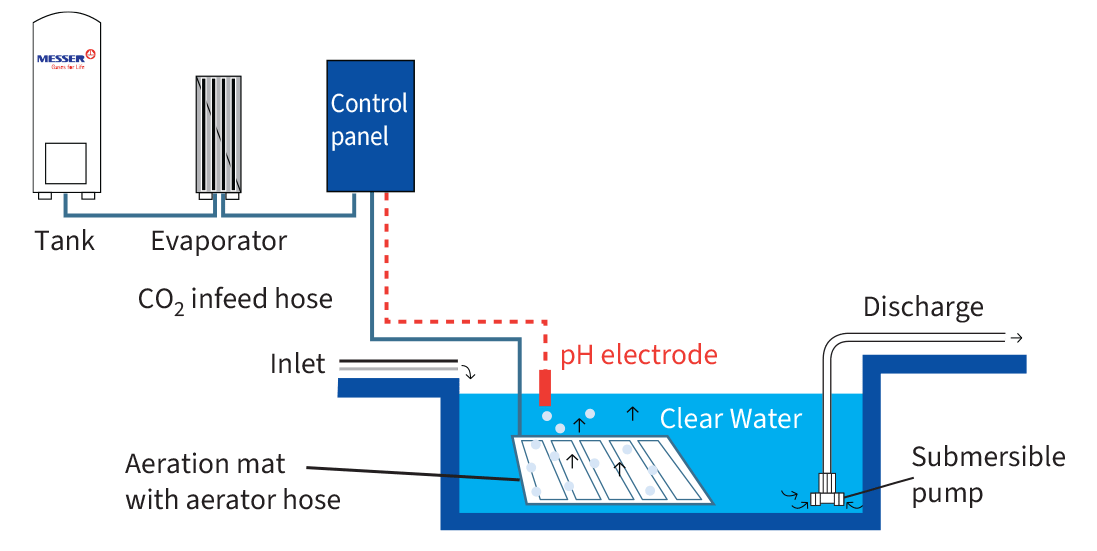
Diffusion Hose

Best suited for:

  • Tanks
  • Basins
  • Retention systems

Carbon dioxide is dispersed through finely perforated aeration hoses installed within the treatment tank.

neutra-mobile

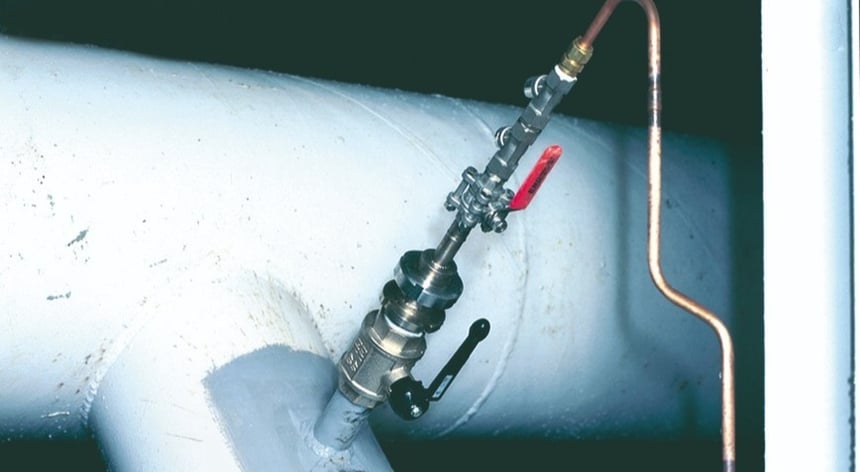
Inline Injection

Best suited for:

  • Continuous flow applications
  • Pipeline treatment systems
  • For rapid pH adjustment / control

Carbon dioxide is introduced directly into the wastewater stream through specialized injection nozzles.

messer-distribution-methods

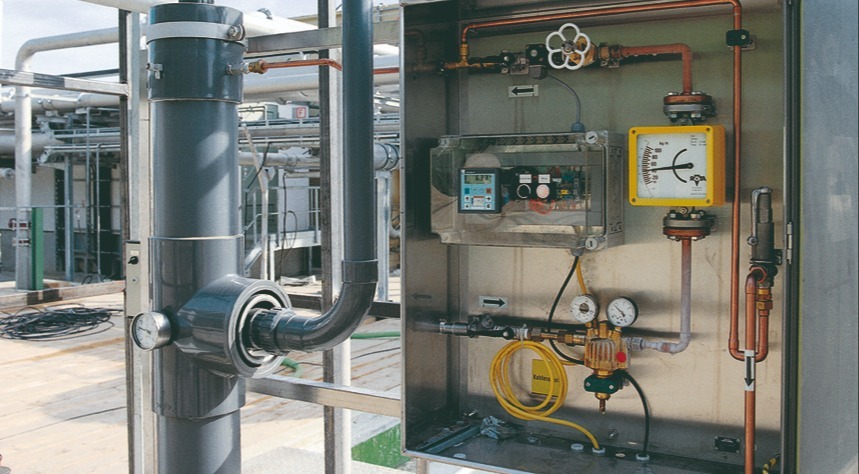
Reactor

Best suited for:

  • Higher flow rates
  • Applications requiring enhanced transfer efficiency

Carbon dioxide is introduced through dedicated reactor systems designed to maximize gas dissolution.

Need Better pH Control?

We're here to help.

Request Free Consultation